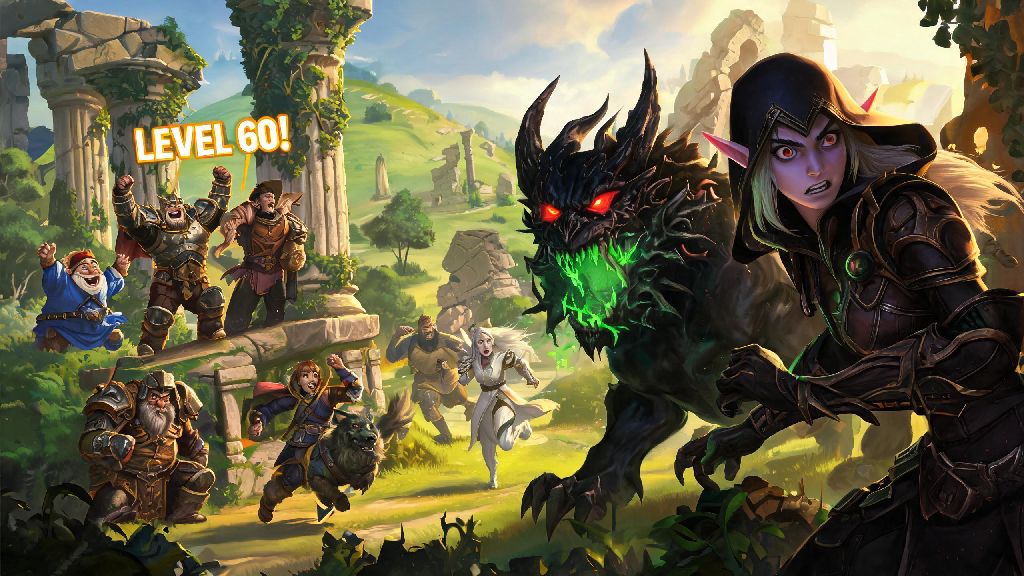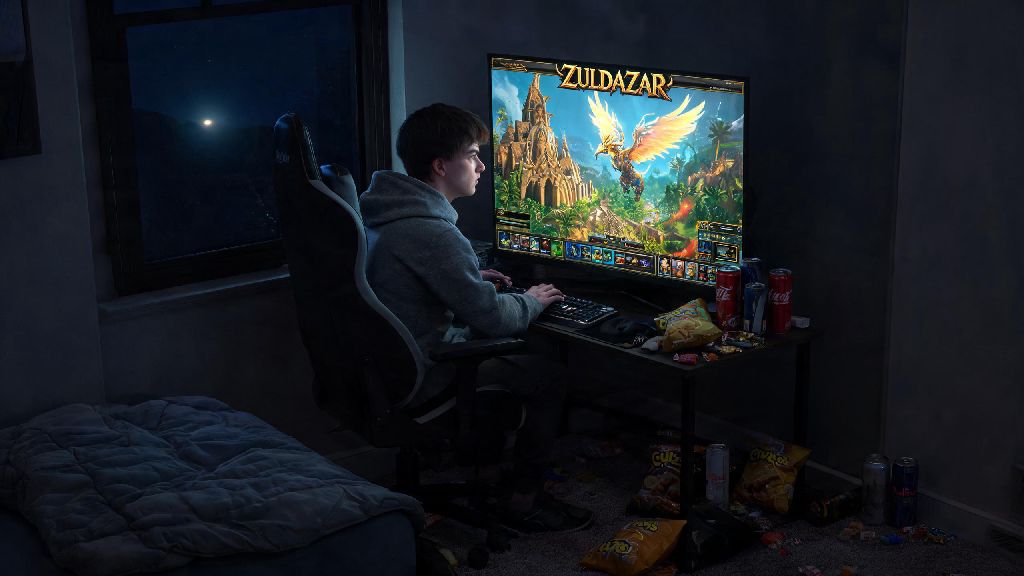
I still remember staying up until 3 a.m. during my first year of college, just one more quest to finish the Zuldazar zone arc, ignoring my 8 a.m. lecture the next day. I’d already played for six hours straight, but the promise of unlocking a new flying mount for completing the zone was too good to pass up. If you’ve ever lost track of time while logged into Azeroth, you’ve probably wondered why is World of Warcraft so addictive, and if that pull is something you need to worry about. This guide breaks down the core design and psychological choices that make the game feel so hard to step away from, plus practical advice to keep your play fun without taking over your life.
Core Design Choices That Explain Why World of Warcraft Is So Addictive
Blizzard has spent 20 years refining WoW’s reward loops to feel satisfying, and the team leverages well-documented psychological principles to keep players engaged. The biggest of these is variable ratio reinforcement schedules, the same system that makes slot machines so compelling. You never know when a rare mount will drop from a boss, when you’ll get that best-in-slot trinket from a Mythic+ chest, or when a random world quest will reward you with a coveted transmog piece, so you keep coming back to test your luck.
On top of that, the game is built around constant progression milestones that never leave you without a small, achievable goal to chase. Even after you hit max level, you can grind for higher item level, level up your professions, unlock new account-wide perks, or push for a higher PvP or M+ rating. There is no real “end” to WoW, so you never run out of things to work toward. The weekly and daily reset systems also train you to log in regularly, as you don’t want to miss out on limited-time rewards that disappear after reset day.
Social Ties That Keep Players Logged In Long Term
For most long-term players, the game’s social systems are the biggest reason they keep their subscription active month after month. Guilds, raid teams, M+ groups, and roleplay communities turn a solo gaming experience into a shared social activity, and many players form lifelong friendships with people they meet in Azeroth. I was in the same raiding guild for six years, and we attended each other’s weddings, helped each other move apartments, and supported each other through job losses and family deaths long after we stopped raiding together.
The biggest social pull for many players is shared goal accountability. If you’re the main healer for your 20-person raid team, you don’t want to let 19 other people down by skipping a raid night without warning, so you show up even if you’re not super in the mood to play that day. Even casual players feel this pull: if your guild is hosting a transmog contest or a trivia night, you’ll log in just to hang out with people you care about, even if you have no interest in playing the actual game content that night. Many of these communities carry over to Discord and other social platforms, so your social circle is deeply tied to your WoW account.
Immersive Lore And Worldbuilding That Feels Like A Second Home
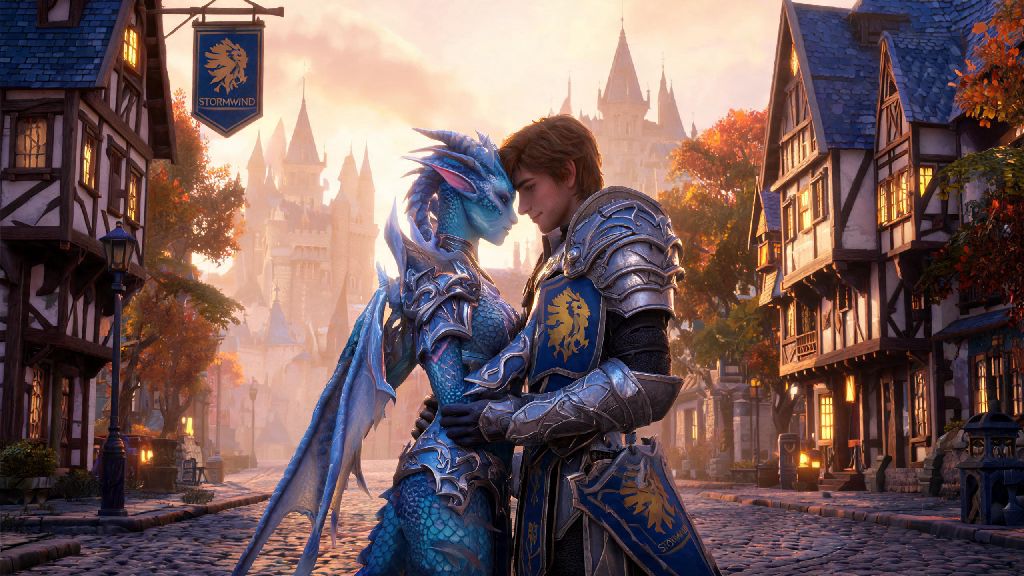
Very few games have the kind of rich, decades-long lore that WoW has built up over its 20-year run. The world of Azeroth feels lived in, with characters, zones, and story arcs that span multiple expansions, and players build real emotional connections to the world and the people in it. You might remember where you proposed to your partner in Elwynn Forest, where you got your first legendary weapon, or where you celebrated your first guild raid clear with your friends. Those memories turn the game from a piece of software into a place you visit, not just something you play.
A big part of that immersion comes from the persistent, evolving world Blizzard has built. Expansions change old zones, bring back beloved characters, and advance the overarching story, so the world feels alive, not static. There are also hundreds of small, intentional details that make the world feel more real, including:
Customization options like transmog, player housing, and mounts also let you make your mark on the world, creating a character and play space that feels uniquely yours. That sense of belonging is incredibly hard to walk away from.
How To Enjoy WoW Without Letting It Take Over Your Life
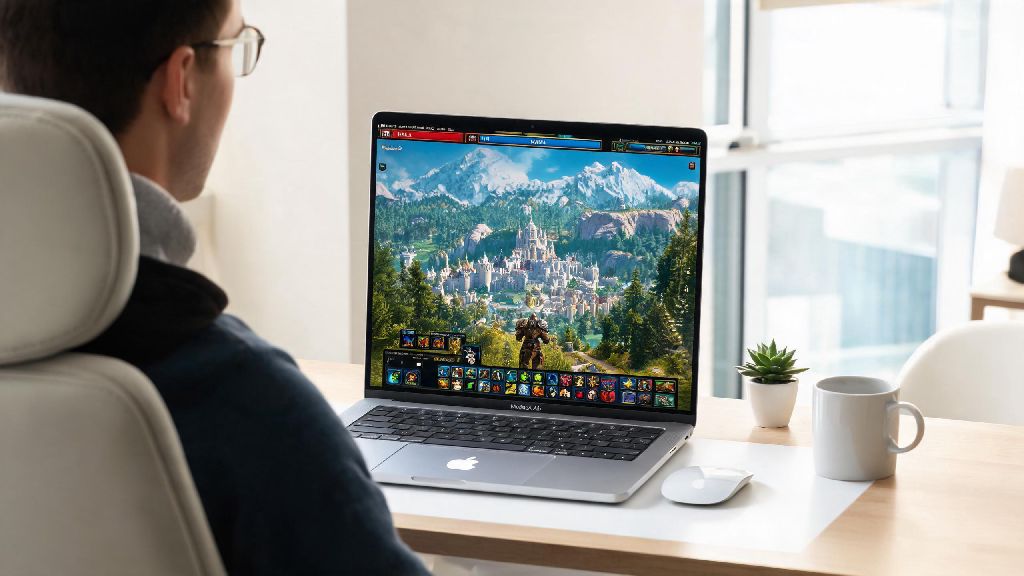
Loving WoW doesn’t have to mean letting it take over your real life, and there are simple steps you can take to keep your play healthy and balanced. The first and most important step is to set clear playtime boundaries before you log in. Use the in-game playtime tracker to see how much you’re playing each week, set an alarm for when you need to log off, and never skip work, school, or important real-life commitments for in-game events. It can help to plan your play sessions around your real life schedule, instead of planning your real life around your play schedule.
You also don’t have to fall for FOMO (fear of missing out) when it comes to limited-time rewards. Almost every seasonal mount, pet, and transmog set comes back around the next year, and gear becomes obsolete within a few months when a new patch or expansion drops. Missing a raid clear or a seasonal event this month won’t matter a year from now, so don’t prioritize it over real life plans. Your guild will understand if you need to skip a raid for a family birthday or a friend’s night out, and if they don’t, it’s probably time to find a new guild.
If you start to feel like the game is becoming more of a chore than a fun hobby, it’s okay to take a break. You don’t have to keep your subscription active every single month, and Blizzard has made catch-up mechanics extremely accessible in recent expansions, so you can get geared up to run endgame content in just a few weeks when you come back. Try to mix in other hobbies with your WoW play too, like going for a walk before you log in, or planning a night out with friends once a week so you don’t spend all your free time in front of the screen.
At the end of the day, there’s no shame in loving your time in Azeroth. The team behind WoW spent decades refining the game to be engaging and fun, so it makes total sense that so many people ask why is World of Warcraft so addictive when they first lose a weekend to questing. The game gives millions of people a place to connect with friends, escape the stress of real life, and work toward fun, low-stakes goals, and there’s nothing wrong with that. As long as you set clear boundaries and prioritize your real life responsibilities first, there’s no reason you can’t enjoy WoW for years to come without letting it take over your life.