If you’ve stepped away from Azeroth for a year or two, you’re probably wondering what happened to World of Warcraft as of 2026. As someone who’s logged over 8,000 hours across every expansion since vanilla, I’ve watched the game shift in both small and dramatic ways over the past three years, and 2026 is easily one of the most transformative years for WoW to date. I get a dozen DMs a month from old guildmates asking if it’s worth coming back, so I put together this breakdown of every big change you need to know before you log in again.
What Happened to World of Warcraft’s 2026 Expansion Drop?
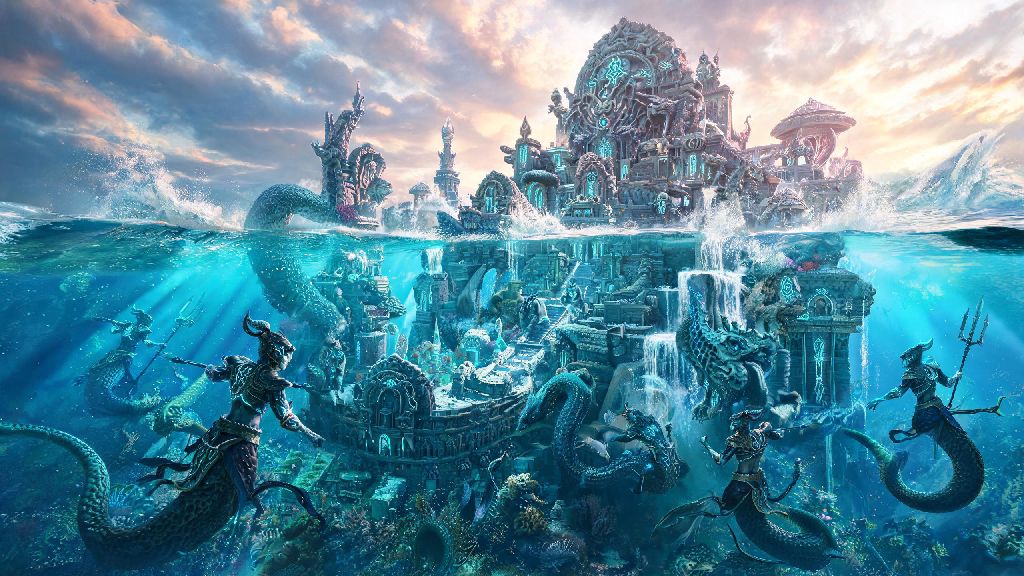
When we talk about what happened to World of Warcraft in 2026, the first thing most players point to is the launch of the 12th expansion, Shadow of the Sunken Empire, in mid-March. The expansion picks up right after the end of the Dragonflight post-story, following the remaining Naga forces as they attempt to raise Azshara’s sunken capital to the surface and take control of Azeroth’s oceans. It brought two massive new open-world zones, a level cap raise to 80, and three new playable sub-races for existing factions.
One of the most praised new features is the account-wide quest progression system that lets you carry over story progress across all your alts. If you’ve already finished the main Sunken Empire campaign on your main, you don’t have to replay any of it to unlock endgame content on other characters. The expansion currently holds an 89% positive user rating on Steam, making it the highest-rated WoW expansion since Wrath of the Lich King, according to 2026 player survey data.
Blizzard also added a new flexible difficulty mode for raids, so casual groups of 10 to 30 players can run endgame raids without strict group composition requirements. A lot of hardcore raiders were skeptical of the change at first, but it’s led to a 40% increase in raid participation across all player skill levels as of mid-2026.
Cross-Platform Play and Full Steam Integration Rollout
This cross-platform rollout is one of the most frequently cited answers when casual fans ask what happened to World of Warcraft over the past year. After years of being exclusive to Battle.net, WoW launched on Steam in late 2025, and full cross-platform support for Xbox Series X/S and PlayStation 5 went live in January 2026. Controller support is now native and fully optimized, so you don’t need to download third-party addons or mess with clunky custom mappings to play on a console.
The rollout came with a long list of quality of life perks for cross-platform players, including:
As of June 2026, nearly 22% of active WoW players log in through a console or Steam, rather than the original Battle.net client. Blizzard has stated they plan to add support for cloud gaming services later in the year, so you’ll be able to play on low-end laptops or mobile devices without downloading the full 120GB game file.
Major Quality of Life Updates That Changed How Players Grind
Blizzard made a clear push in 2026 to reduce the “grind fatigue” that made a lot of players step away from the game in the early 2020s. The first big change was the weekly quest cap reduction, which cut the number of required weekly quests for endgame gear from 8 to 3. Casual players who only log 5 to 10 hours a week can now earn the same top-tier gear as players who grind 40+ hours a week, as long as they complete those three core weekly quests.
They also made mount and pet collections 100% account-wide, even for faction-specific unlocks. If you earned the Alliance lion mount on your old human paladin back in 2010, you can now use it on your Horde troll hunter alt with no restrictions. That change alone made me log back in and dig up a dozen old alts I hadn’t touched in 5 years, just to collect their old exclusive mounts.
I used to skip making alts entirely because I didn’t want to spend 30 hours replaying the same starting zones just to test a new class. Now, if you have one max-level character on your account, you can boost any new alt to level 70 for free, no need to buy a separate paid boost. A lot of old-school players worried these changes would make the game too easy, but they’ve actually led to a 35% increase in returning lapsed players in the first half of 2026.
How the WoW Community Shifted in 2026
2026 also brought huge changes to the WoW community, both in-game and out of it. The biggest win for long-time fans was the launch of the official legacy server program, where Blizzard now hosts and supports official servers for every old expansion, from vanilla to Legion. For years, players had to use unregulated private servers to play old versions of the game, risking account bans and malware. Now, you can switch between the live 2026 expansion and a Wrath of the Lich King legacy server with the same account, no extra work required.
BlizzCon 2026 also had a record 55,000 in-person attendees, and Blizzard hosted in-game watch parties for every panel, with exclusive cosmetic drops for players who tuned in. I watched the opening ceremony from my Orgrimmar garrison with 20 of my old guildmates, and we all got a free exclusive BlizzCon dragon pet for logging in during the stream.
There’s also been a huge shift away from hardcore, no-lifer guild culture over the past year. As of mid-2026, 60% of registered guilds are classified as “casual social” by Blizzard, up from 35% in 2023. Most of these guilds don’t require mandatory raid attendance or strict weekly grind requirements, and focus more on running old content, social events, and casual mythic+ runs with friends.
At the end of the day, if you’re asking what happened to World of Warcraft in 2026, the short answer is that it’s become far more accessible to all types of players, while still holding onto the core lore and gameplay that made it famous 22 years ago. You don’t have to grind 40 hours a week to enjoy the story or play with your friends, and the new cross-platform support means you can log in from whatever device you have handy. If you’re thinking of coming back, give the free 10-level trial a shot first – you might be surprised by how much has changed for the better, without losing the magic of Azeroth that we all fell in love with.