If you’re jumping back into World of Warcraft after a few years away, or prepping to roll your first character ahead of the 2026 summer content drop, one of the first questions you probably have is how many world of warcraft expansions are there as of this year. I’ve been playing WoW since the original vanilla launch, and I still remember waiting in line at my local GameStop for the Wrath of the Lich King midnight launch, so I’ve seen every expansion drop from the hype of Burning Crusade to the chaos of the latest 2025 release, plus the pre-launch beta for the upcoming one that’s already teasing massive changes to the Azeroth we know. It’s easy to lose track, especially with Blizzard mixing in smaller, seasonal content drops that feel almost expansion-sized these days, so I put together this full breakdown to clear up all confusion.
Exactly How Many World of Warcraft Expansions Are There in 2026?
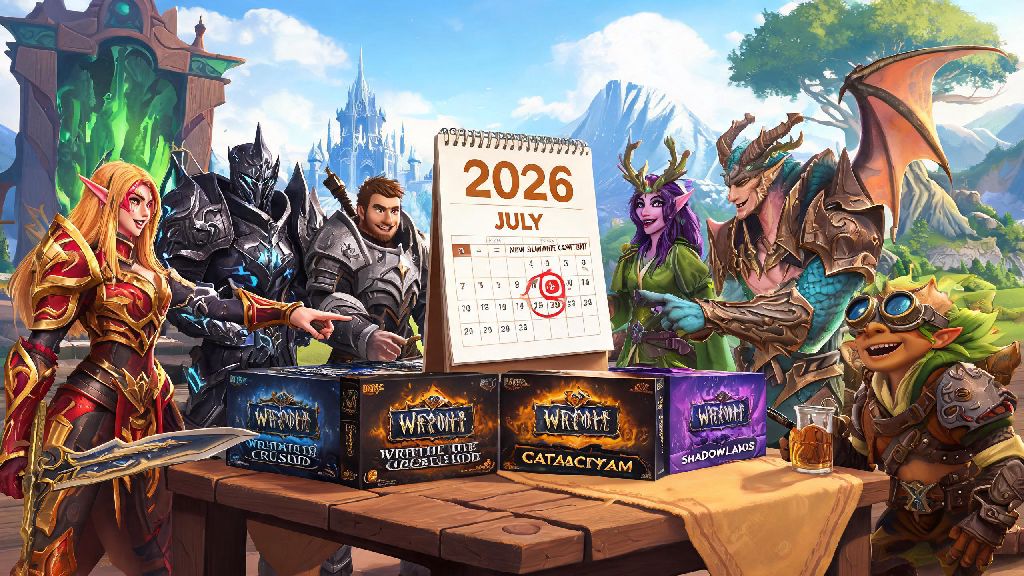
As of mid-2026, there are 12 full, officially released World of Warcraft expansions, plus one that’s currently in closed beta scheduled for late 2026 launch. Blizzard has kept a consistent release schedule for the past 6 years, so even if you took a break for a couple of years, you probably only missed 1 or 2 full expansions at most. The full list of officially launched WoW expansions as of mid-2026 is:
Blizzard doesn’t count seasonal content drops like the 2026 Spring Faction Rift event as full expansions, even if they add 10+ hours of unique story content. That’s a common point of confusion for newer players, who see big content patches and assume they’re full, standalone expansions. You don’t need to buy every expansion individually to play in 2026 - all expansions up to Midnight are included with a standard WoW subscription, and you only need to pre-purchase The Last Titan if you want access to beta content and pre-order bonuses like the exclusive Titan Wyrm mount.
How WoW Expansion Release Schedules Have Shifted Since 2020
A lot of long-time players complain that expansions are coming out faster than they used to, and they’re not wrong. Between 2007 and 2020, Blizzard released a new expansion roughly every 2 years, with large content patches filling the gaps between launches. But after the community backlash against Shadowlands’ long, content-dry end cycle, the team shifted to a 12-18 month release schedule for smaller, more focused expansions, plus 3 major seasonal content drops per expansion cycle. When you’re trying to keep track of how many world of warcraft expansions are there, the faster release schedule can make it easy to miss a launch if you take a few months off from the game.
That means you’re never waiting more than 6 months for significant new content, but it also means individual expansions don’t have as much endgame content as older releases like Wrath of the Lich King or Legion. If you’re a casual player who only logs a few hours a week, this new schedule is perfect, because you’ll never run out of new story content to work through. But if you’re a hardcore raider or mythic+ player, you might find that endgame content runs dry faster than it did 10 years ago. I’ve noticed that the community has mostly adjusted to the new schedule at this point, though you’ll still see complaints pop up on Reddit every time a new expansion announcement drops 12 months after the last one.
What Counts As A "Full" WoW Expansion, Anyway?
A big part of the confusion around counting WoW expansions comes from the fact that Blizzard has changed what counts as a full expansion multiple times over the years. Back in the 2010s, a full expansion always included a level cap raise of at least 10 levels, a new playable continent, at least one new class or race, and 4 major raid tiers over its lifespan. But starting with Dragonflight in 2022, Blizzard shifted to smaller level cap raises (5 levels per expansion instead of 10) and 2-3 raid tiers per cycle, to support faster release schedules. This ambiguity is why you’ll get a dozen different answers if you ask random players in Stormwind how many world of warcraft expansions are there, depending on what they count as a full release.
The only hard rule Blizzard uses to label content as a full expansion is that it requires a separate purchase (outside of the standard subscription) at launch. That’s why seasonal events, even the massive 2026 Faction War event that added 3 new zones, aren’t counted as full expansions - they’re included for free with your subscription. There are a few edge cases, like the Warlords of Draenor pre-launch event that let players explore the Tanaan Jungle a month before launch, but those are always labeled as pre-launch content, not standalone expansions. If you’re ever unsure if a piece of content counts as an expansion, just check the Blizzard store: if it’s listed as a separate purchase at launch, it’s a full expansion.
Tips For New Players Catching Up On Old Expansions In 2026
If you’re new to WoW, or coming back after years away, catching up on 12 full expansions worth of content can feel incredibly overwhelming. But you don’t have to play through every single expansion’s story if you don’t want to - Blizzard’s leveling revamp from 2020 lets you choose which expansion’s story you want to play through to get to the current level cap of 85. That said, I always recommend new players play through a few older expansions to get familiar with the lore, because a lot of the current story in Midnight and the upcoming The Last Titan ties back to events from 10+ years ago.
If you only have time to play 3 older expansions before jumping into current content, pick Wrath of the Lich King, Legion, and Dragonflight - they have the best self-contained stories, and they’ll give you all the context you need for the current Worldsoul Saga arc. If you want to experience old raids for cosmetics or story, you can run most of them solo at max level in 2026, so you don’t need to find a group to get that cool Lich King mount you’ve always wanted. Don’t waste gold on old expansion gear or cosmetic items from the auction house unless you really want them - most old cosmetic gear is available for free just by playing through the expansion’s story content. You can also use the built-in WoW Chronicle tool, added in 2025, to catch up on key lore beats from expansions you don’t want to play through - it has 5-10 minute animated recaps of every major expansion story, so you don’t miss any important plot points.
At the end of the day, if you’re asking how many world of warcraft expansions are there as of 2026, the short answer is 12 fully released, with one more coming before the end of the year. Whether you’re a long-time player who has every expansion’s collector’s edition on your shelf, or a new player who’s just making their first human warrior, the sheer amount of content in WoW is part of what makes it such a special game. Don’t feel pressured to rush through old content to get to the current endgame - take your time, explore the parts of Azeroth that interest you, and enjoy the ride.