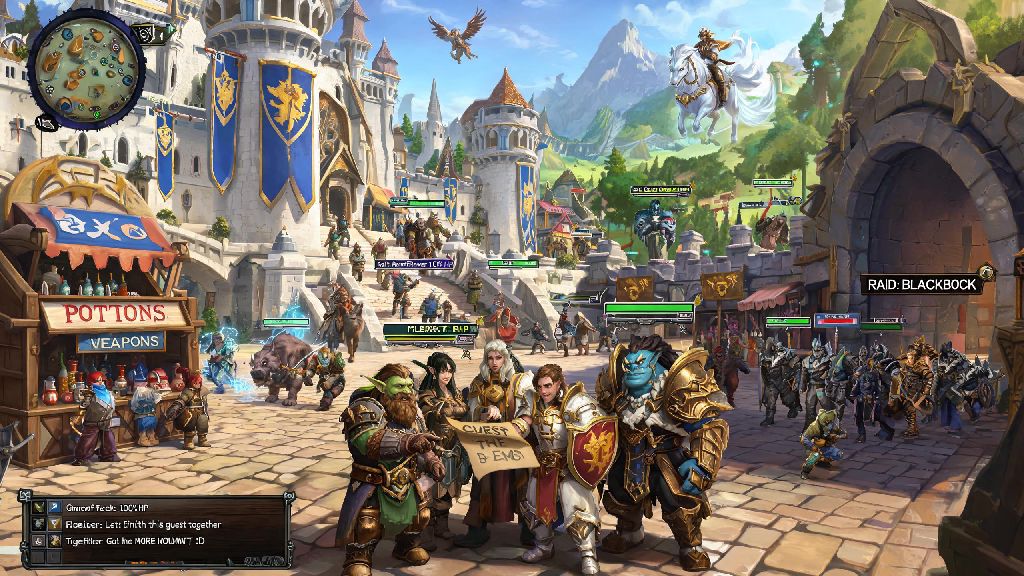
If you’ve ever logged on to World of Warcraft for “just one quick quest” and looked up to find 6 hours have passed, you’re far from alone. I’ve been playing on and off since the Wrath of the Lich King expansion, and I’ve lost count of how many times I’ve canceled plans last minute to finish a raid with my guild or grind for a rare mount drop. A 2023 survey of MMO players found that 62% of active WoW subscribers have played consistently for 5+ years, a stat far higher than nearly every other online game on the market. That leads a lot of people, both players and outsiders, to ask why is World of Warcraft so addictive for so many people across age groups and play styles.
Core Design Loops That Make World of Warcraft So Addictive
Blizzard’s design team has spent 20 years refining WoW’s core loops to feel rewarding no matter how much time you have to play in a single session. If you only have 15 minutes, you can knock out a few world quests and earn gold, gear, or reputation points. If you have 3 hours, you can run a full raid or mythic+ dungeon for high-tier rewards that will make your character noticeably stronger. The variable ratio reward schedule for rare drops is one of the most powerful drivers of consistent play, because you never know if your next enemy kill will drop that mount, pet, or transmog set you’ve been grinding for months to get. You don’t feel like you’re wasting time when you play, even if you don’t get the exact reward you wanted, because every activity gives you some kind of progress that carries over to your account long-term. That constant sense of forward momentum makes it really hard to log off when you’re just one quest or one kill away from a new unlock. It’s one of the biggest reasons why World of Warcraft is so addictive for both new players who just started and veterans who have been around for decades.
Immersive Lore And World Building That Feels Like A Second Home
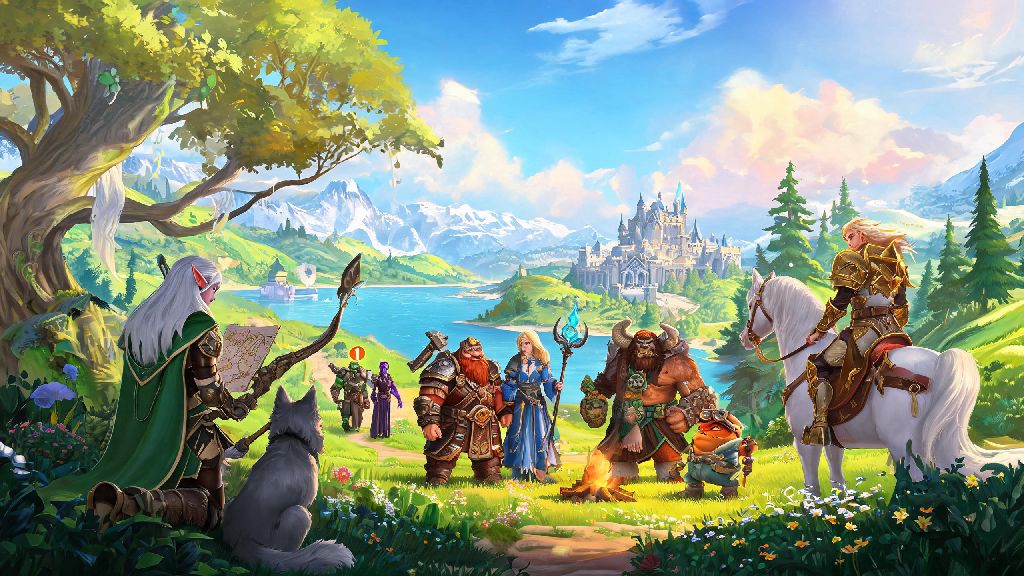
Unlike many MMOs that throw you into a generic fantasy world with little context, WoW’s lore stretches back decades to the original Warcraft RTS games released in the 1990s. Every zone has its own unique story, every major character has a fully fleshed out backstory, and every expansion adds new layers to the world that tie back to plots you might have experienced 10+ years earlier. You don’t just play WoW, you feel like you’re a part of the world’s story, whether you’re fighting alongside Sylvanas Windrunner in the Shadowlands or helping the dwarves reclaim their home in Ironforge. A lot of long-time players have strong emotional connections to specific zones or characters because they experienced those stories during big moments in their real lives, like graduating high school or moving to a new city. That emotional tie makes the game feel like more than just a hobby, it feels like a familiar space you can return to whenever real life feels stressful or overwhelming. I still get a little nostalgic every time I fly through Stormwind, because it’s the first place I ever explored when I made my first character as a 16 year old.
Tight-Knit Community Ties That Keep You Coming Back
One of the biggest reasons players stick with WoW for years isn’t the game itself, it’s the people they play with. Most regular players join a guild, a static group for dungeons or raids, or a community of people who share their interests like mount farming or roleplay. These groups often turn into real-life friendships, and some players even meet their spouses or long-term partners through the game. I’m still friends with half the people I raided with during Cataclysm, even though most of us don’t play as much as we used to, and we still meet up for dinner once a year when we’re all in the same city. Some of the most common reasons players log on even when they’re not super interested in the current expansion content include:
Unlike single-player games that you can finish and put down, WoW’s social element creates real accountability to show up for the people you play with. If you’re the main healer for your raid group, you know that your team can’t run the raid without you, so you make time to log on even if you have other things you could be doing. That social obligation, mixed with genuine care for the people you play with, creates a really strong pull to keep playing regularly. You don’t want to let your friends down, and you don’t want to miss out on the inside jokes and fun moments that happen during group play.
Constant Updates That Give You New Content To Explore
Blizzard releases major content patches every 3-4 months, and full new expansions every 2 years, so there’s almost never a time when there’s nothing new to do in WoW. Even if you finish all the content in the first few weeks of a new patch, there are always seasonal events, limited-time rewards, and quality of life updates that change how the game feels. You never run out of new goals to work toward, whether that’s getting a new gladiator title in PvP, earning the latest meta achievement for the patch, or testing out a new class rework that completely changes how your main character plays. The game never feels stagnant for long, which means you never get to a point where you can “beat” WoW and move on permanently. Even if you take a break for a few months or a few years, there’s always going to be a whole new set of content waiting for you when you come back, so it’s really easy to pick the game back up again whenever you’re bored with other games. I took a 4 year break between Legion and Dragonflight, and when I came back, I had 4 full expansions worth of content to catch up on, which kept me occupied for almost 6 months straight before I ran out of new things to do.
At the end of the day, the answer to why is World of Warcraft so addictive isn’t just that it’s a well-designed game. It’s that it combines satisfying gameplay, emotional storytelling, strong social connections, and constant updates into a single package that feels tailored to whatever you want out of a hobby. You can play it as a casual solo player who only logs on to collect pets, or as a hardcore competitive player who spends 20 hours a week grinding for top tier PvP or raid rewards, and you’ll still find plenty to keep you occupied. It’s important to remember that playing WoW is only a problem if it starts interfering with your real life responsibilities, relationships, or health. If you find yourself playing more than you want to, you can take simple steps to set boundaries, like limiting your play time to 2 hours a day during the week or only logging on for scheduled events with your friends. For most players though, WoW is just a fun, low-stakes way to unwind, connect with friends, and explore a world that feels like home after years of playing.