I still remember logging into World of Warcraft for the first time back in high school, staring at the character creation screen with no clue what I was getting into. If you’re here because you’ve heard friends rave about raids, or seen memes about the Horde vs Alliance rivalry, you’re probably wondering what is World of Warcraft about, and if it’s worth picking up today. Unlike many casual games that you can finish in 10 hours, WoW is a living, evolving world that’s grown for nearly 20 years, with something for almost every type of player, whether you love story, competition, or just hanging out with friends. You don’t need prior experience with the Warcraft franchise to jump in, either – the game does a great job of explaining key lore and mechanics as you play.
What is World of Warcraft About, At Its Core?
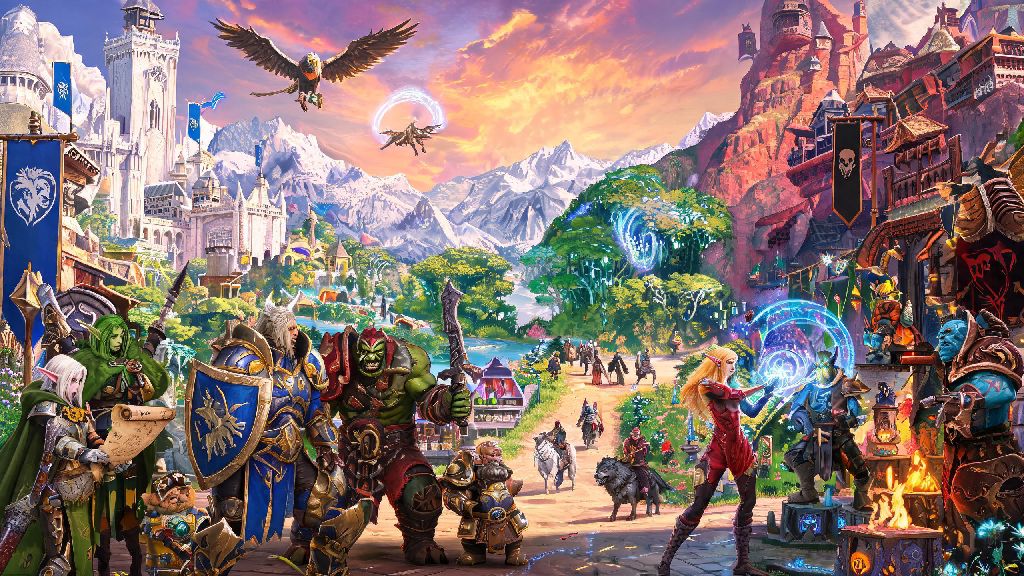
At its simplest, World of Warcraft is a massively multiplayer online roleplaying game (MMORPG) developed by Blizzard Entertainment, set in the high fantasy world of Azeroth. When you first start, you’ll pick between two warring factions: the Alliance, made up of races like humans, dwarves, and night elves, or the Horde, which includes orcs, trolls, and tauren. Your faction choice determines which zones you can access, which characters you can group with, and how other players will interact with you in open world PvP areas. You don’t have to follow a single linear path to enjoy WoW – you can ignore the main story entirely if you want to focus on gathering professions or collecting cute battle pets.
The game’s core gameplay is split into four main pillars that cater to different playstyles:
I’ve met players who have logged thousands of hours and never set foot in a raid, while others only log on to compete in ranked PvP seasons. There’s no wrong way to play, as long as you’re having fun. You can even swap between playstyles whenever you want, no new character required.
The Deep, Expansive Lore That Powers WoW’s World
One of the biggest draws of WoW is its decades of built-out lore, which predates the MMO itself by almost 10 years. The Warcraft universe first launched as a real-time strategy game series in 1994, and all of that history is woven into the world of WoW, from ancient war ruins to character cameos from the original RTS campaigns. The conflict between the Alliance and Horde isn’t a simple good vs evil fight, either – both factions have sympathetic motivations, and many of the game’s best story beats explore the gray areas between the two sides. Each race and class has its own unique backstory that ties into the larger world narrative, so you’ll get a very different perspective on the world playing as a raised-from-the-dead Forsaken rogue than you would playing as a noble Human paladin.
Each new expansion adds a full new chapter to the story, whether that’s traveling to the alien world of Outland to stop a demonic invasion, fighting the undead Scourge in the frozen continent of Northrend, or exploring the ancient Dragon Isles to help the dragonflights rebuild their home. Even if you don’t care about the overarching main story, the small side quests scattered across every zone often have heartfelt, funny, or tragic stories that make the world feel lived-in. I still think about the low-level quest where I helped a little tauren boy find his lost dog in the starting zone of Mulgore, years after I first completed it.
Social and Community Features That Keep Players Coming Back
WoW is as much a social space as it is a video game, and many long-time players stick around as much for their friends as they do for new content. Most players join guilds, which are in-game player groups that range from small casual friend groups to large organized teams that tackle the hardest raid content. Guilds are the backbone of WoW’s community, offering support for new players, organized raid groups, and even casual social events like in-game trivia nights or holiday parties. I’ve been in the same casual guild for 12 years, and we’ve met up in real life for weddings, birthday parties, and even cross-country road trips.
Most of the game’s hardest content requires working with other players, so learning to communicate and collaborate as a team is a big part of the experience, especially for endgame raids and high-level PvP. But you don’t have to be a hardcore player to join a community, either. There are thousands of guilds and community groups specifically for casual players, people who only play on weekends, or even players who just want to farm mounts and run old content for fun. So if you’re someone who likes playing games with friends, or meeting new people who share your interests, WoW has a huge, welcoming community for almost every playstyle.
Endgame Content That Keeps The Game Fresh After Leveling
A common misconception new players have is that WoW ends once you hit the maximum level, but that’s actually where most of the game’s content opens up. When you reach max level, you’ll unlock access to the latest endgame activities, which are designed to be replayable with rotating rewards every week. Endgame content is designed to be replayable, with weekly and daily rewards that let you improve your character or collect rare cosmetic items that you can’t get anywhere else.
If you like PvE, you can run increasingly difficult mythic dungeons or join a raid team to take on the latest boss encounters for powerful gear. If you prefer PvP, you can climb the ranked arena or battleground ladders for unique mounts, titles, and transmog gear. If you’re a more casual player, you can work on completing achievements, collecting rare mounts and pets, or upgrading your customizable player housing. Blizzard releases new content patches every few months, so there’s always something new to work on, even if you’ve been playing for years. I took a two year break a while back, and when I came back, there were three new zones, a dozen new dungeons, and hundreds of new cosmetics to collect, so I never felt like I had nothing to do.
At the end of the day, what is World of Warcraft about depends entirely on what you want to get out of it. It can be a solo story game where you explore a rich fantasy world at your own pace, a competitive PvP game where you climb the ranks against other players, or a social space where you hang out with friends every week. You don’t have to commit 40 hours a week to enjoy it, either – even an hour or two a week is enough to make progress and have fun. If you’ve been on the fence about trying it, there’s never been a better time to jump in and see what Azeroth has to offer.