I’ve been playing WoW on and off since Wrath of the Lich King, and I’ve lost count of how many random, exciting thoughts I’ve had mid-dungeon or while waiting for a raid to form. Maybe you’ve had one too: a tweak to your class’s rotation that feels way smoother than the meta build, a fun community event that would get casual players logging on more often, or a tiny UI change that would cut down on 10 minutes of daily busywork. Too often, a great idea for World of Warcraft gets buried in a guild chat log or forgotten after you log off, just because you don’t know what to do with it next. These tips will help you turn that half-formed thought into something that benefits you and other players, no special skills required.
How to Validate a Great Idea for World of Warcraft Before Sharing It Publicly
The first mistake a lot of players make with a new idea is posting it to a public forum immediately, before they’ve tested if it actually works. You might think your new Enhancement Shaman build that skips Lightning Bolt is a game-changer, but if you only tested it on level 60 mobs in Elwynn Forest, you don’t have real data to back that up. Spend at least a week testing your idea in the exact scenario it’s designed for, whether that’s 15+ Mythic+ dungeons, normal raid clears, or casual open-world play.
Always test your idea in actual gameplay first before pitching it to anyone else. Jot down what works, what feels clunky, and what edge cases you run into. For example, if your build is great for single-target damage but falls apart when you have to fight 3+ mobs, note that limitation instead of pretending it’s perfect. You should also double-check recent patch notes to make sure your idea isn’t already obsolete. I once spent 2 weeks refining a Destruction Warlock build that relied on a specific talent, only to find Blizzard had nerfed that talent by 30% in a hotfix the day before I planned to share it.
It’s also smart to run the idea past 2 or 3 trusted friends who play the same content as you first. They’ll catch obvious gaps you missed because you’re too close to the idea. If they say it’s not useful, don’t get defensive. Ask them why, and see if you can adjust it to fix the problems they point out.
Tailor Your Idea to Fit the Right WoW Audience
Even the best idea will fall flat if you share it with the wrong group of people. A build designed for casual players who just want to clear LFR easily will get torn apart in a Discord server for top 100 raid guilds, and a complex roleplay event pitch will get ignored in a chat channel focused on PvP rank pushing. Take 10 minutes to figure out who your idea is for, then find the spaces those players already hang out in.
Here’s a quick breakdown of where to share different types of WoW ideas:
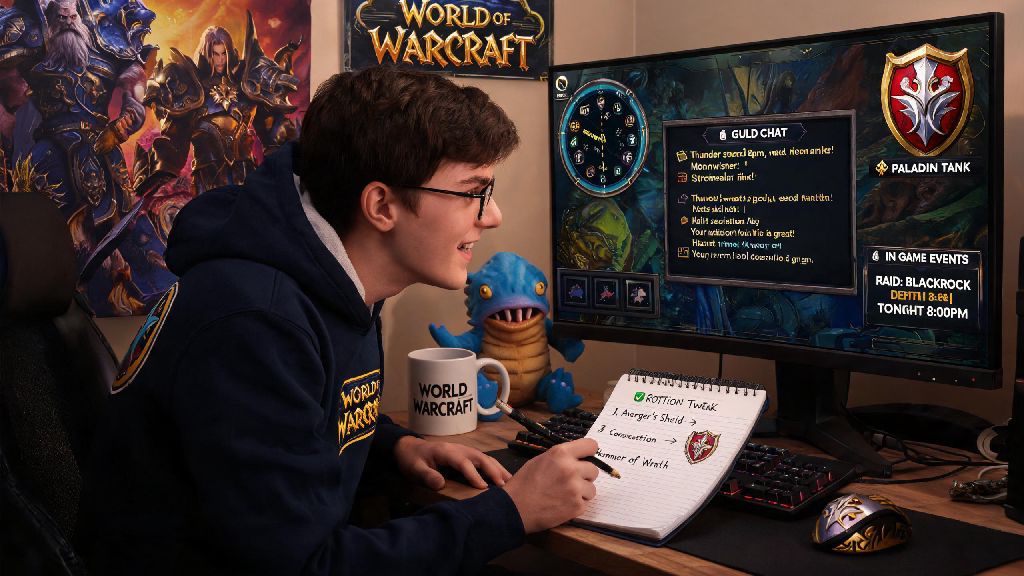
You’ll get far more positive feedback if you share your idea with people who already care about that niche of the game. When you post, be clear about who the idea is for and what problem it solves. Don’t just say “I have a great new Paladin build” – say “I have a new Protection Paladin build for casual players that cuts down on keybinds by 4 and still has enough survivability for 10 Mythic+ keys.”
Avoid posting balance ideas in general chat channels, where most users won’t have the context to evaluate your point fairly. General WoW spaces tend to favor hot takes and drama over nuanced feedback, so you’re wasting your time posting there unless your idea is purely for fun.
Turn Small, Low-Effort Ideas Into Action Fast
You don’t need to have a fully polished, perfect version of your idea to launch it. A lot of players hold back because they think they need a full website, 100 registered participants, or a working add-on prototype to even start, but that’s not true at all. Small test runs are way more effective at proving your idea works, and they take a fraction of the effort.
For example, if you want to host a cross-server transmog contest, you don’t need to secure expensive in-game prizes or partner with a big content creator first. Grab 4 or 5 guild friends, set a silly theme like “worst matching outfit,” and offer a prize of some old pets or mounts you have sitting in your bank. Run that small version first, see what works, and adjust before you invite more people. I did exactly this a couple years ago, and that small 10-person contest now runs every quarter with over 200 participants and community-donated prizes.
You don’t need to build a full, polished version of your idea to prove it works. If your idea is for an add-on feature, you don’t even need to know how to code. Most small add-on developers are happy to hear feature requests if you explain the problem clearly and don’t demand they build it for free. If it’s a build, just post a short guide with your talent picks and a log of your test runs, instead of spending weeks making a full video guide.
Small, successful test runs will make other players far more likely to support your larger plans later. It’s way easier to get people to join your second event than your first, because they already saw the first one went well.
Handle Negative Feedback on Your Idea Gracefully
No idea is universally loved, and you will get negative feedback at some point. That’s not a bad thing – in fact, it’s usually a sign that people are paying attention. The worst reaction you can get is no reaction at all, because that means no one cares about your idea enough to comment.
When you get negative feedback, don’t immediately dismiss it or argue with the person giving it. Ask follow-up questions to understand their point of view. If someone says your build is useless for 20+ Mythic+ keys, ask what specifically falls apart at that level. You might learn that the build is still great for the 10-15 key audience you targeted, and you just need to clarify that in your post. Or you might find a small tweak that makes it work for higher keys too.
Negative feedback is almost always more useful than generic positive feedback, as it shows you what parts of your idea need adjustment. I once pitched a weekly guild mixed PvE/PvP event, and half the guild said they hated PvP and wouldn’t come. Instead of scrapping the idea, I adjusted it to have a PvE-only option: half the group did a quick normal dungeon run, the other half did a casual battleground, and then everyone met up to open loot and hang out afterward. Attendance doubled after that change.
That said, you don’t have to change your idea to please everyone. If your idea is for a silly, casual event and a hardcore player complains it’s not competitive, you can just ignore that. The idea is for your target audience, not every single player in the game.
At the end of the day, WoW’s best moments almost always come from players, not just developer updates. A great idea for World of Warcraft doesn’t have to be revolutionary to matter. Even a small, silly idea like a cross-server ugly transmog contest or a simplified build for new players can create memories that stick with people for years. You don’t need to be a content creator, developer, or long-time guild leader to make it happen. All you have to do is take that first small step to test it out, share it with the right people, and adjust as you go.